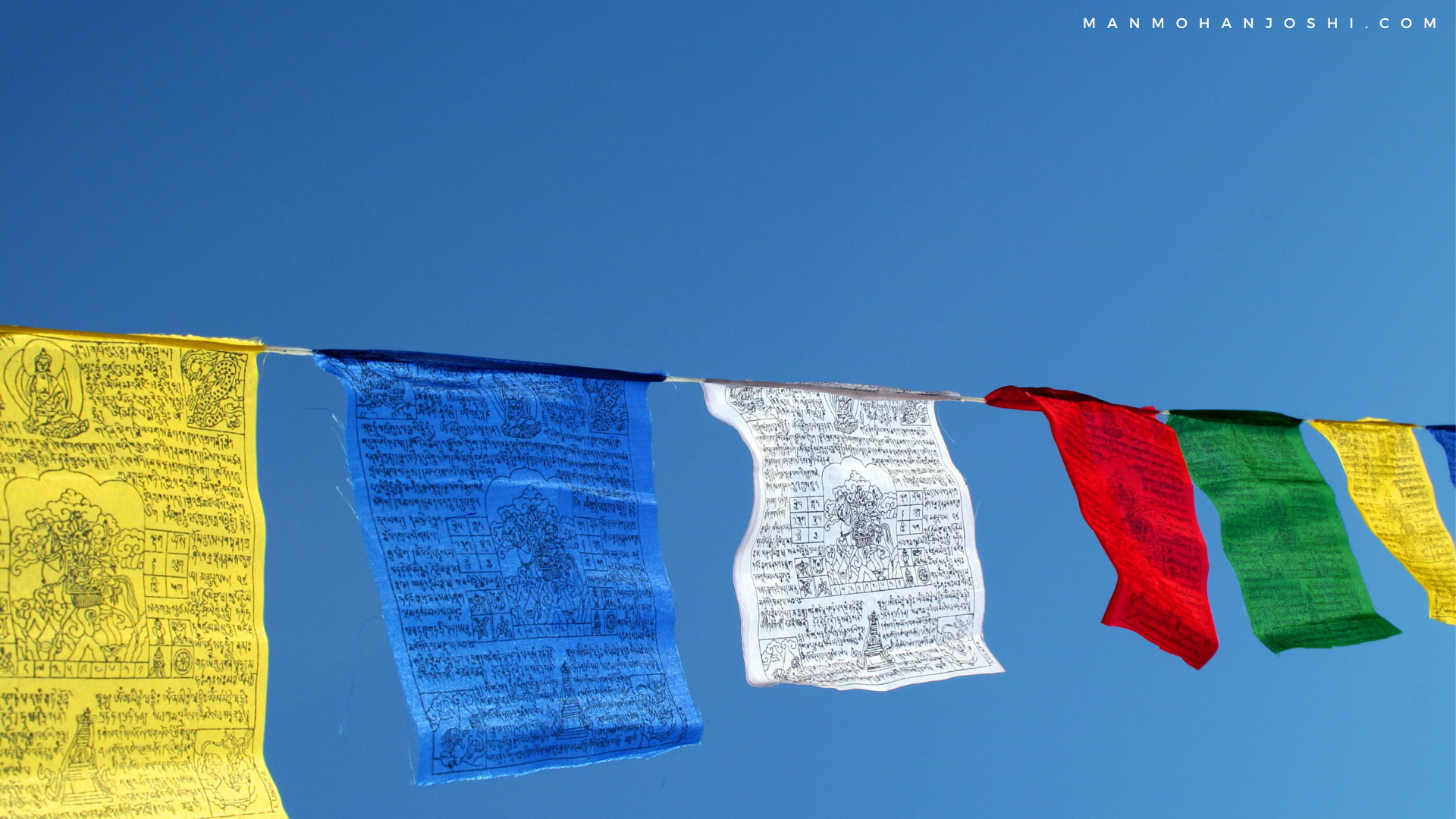
Image credit: Canva
Some places live in your imagination long before you ever stand in front of them.
For me, Tibet was one of those places.
Seven Years in Tibet remains one of my favourite books — an extraordinary account of exploration, resilience, and what happens when people keep moving against all odds.
If I’m honest, I watched the movie first.
Then curiosity led me to the book.
The film was only the beginning. The book draws you much deeper into the landscapes, hardships, and adventures of Heinrich Harrer’s journey across Tibet.
And somewhere along the way, I realised something unexpected:
I had spent my entire childhood living beside Tibet.
I’m from Pithoragarh district in Uttarakhand — the only district in India that borders both Nepal and Tibet (China).
The high valleys of Pithoragarh are home to Rung and Shauka communities who used to cross into Tibet each year, returning with stories, salt, wool, and fortunes earned through one of the world’s most demanding trading networks. Pandit Nain Singh Rawat — the legendary explorer, surveyor, and one of the great figures of Himalayan exploration — was amongst them.
Growing up, many of my friends from these communities shared stories of their grandfathers who spent months trading in Taklakot Mandi, the historic market town in western Tibet reached via Lipulekh Pass. Some families still own shops there — shuttered for years now due to geopolitical changes, waiting for the day trade returns.
Tibet was never truly distant.
It had always been there, quietly present in the background of life.
So one day, I decided to stop imagining it.
I wanted to go as far as I could — to the very edge of Tibet. Not by crossing into it, but by travelling deep into my home district and following the ancient route that once connected these mountains to the Tibetan Plateau via the Lipulekh Pass.
The distance from home wasn’t extraordinary.
The journey felt like one.
Let’s begin.
Part One : Into the Vyas Valley
Pithoragarh → Dharchula → Napalchu (Vyas Valley)
We reached Dharchula — the gateway to the high Himalayas.
It is the last major Indian border town before the road begins its gradual ascent into the remote valleys that lead towards Tibet. This is where travellers complete permit formalities and medical checks before heading deeper into the mountains.
Until Dharchula, the landscape still feels familiar. There are roads, villages, markets, rivers, and everything you would expect from a Himalayan town.
Beyond it, the mountains grow larger and steeper. Valleys narrow. The Kali River, which flows quietly through the town, becomes a different force altogether. As it plunges through deep gorges, its roar echoes across the mountainsides.
A short distance beyond Dharchula, the frontier landscape begins to unfold. This is the land of the three great valleys of eastern Pithoragarh — Vyas, Chaudans, and Darma — home to the Rung people and the ancient routes that once connected India with Tibet.
We reached Dharchula around 11 a.m. and continued towards our base for the expedition — the village of Napalchu in Vyas Valley. Nearby are the settlements of Gunji, Nabi, Rongkong, and Kuti, scattered across a high-altitude landscape at roughly 11,000 feet.
Until recently, reaching this part of the valley was an expedition in itself. There were no roads, and travellers had to make the entire journey on foot, carrying everything they needed. Today, the region is remarkably well-connected.
Each winter, as snow closes the high valleys, families descend to Dharchula with their livestock and belongings. When spring arrives, and the region becomes habitable, they return to their villages in the high Himalayas. Now that tourism is flourishing, many locals are extending their usual stays even during harsh winters.
By the time we arrived in Napalchu around 5 p.m., the roads, towns, and routines of everyday life felt far behind us.
Only mountains remained.
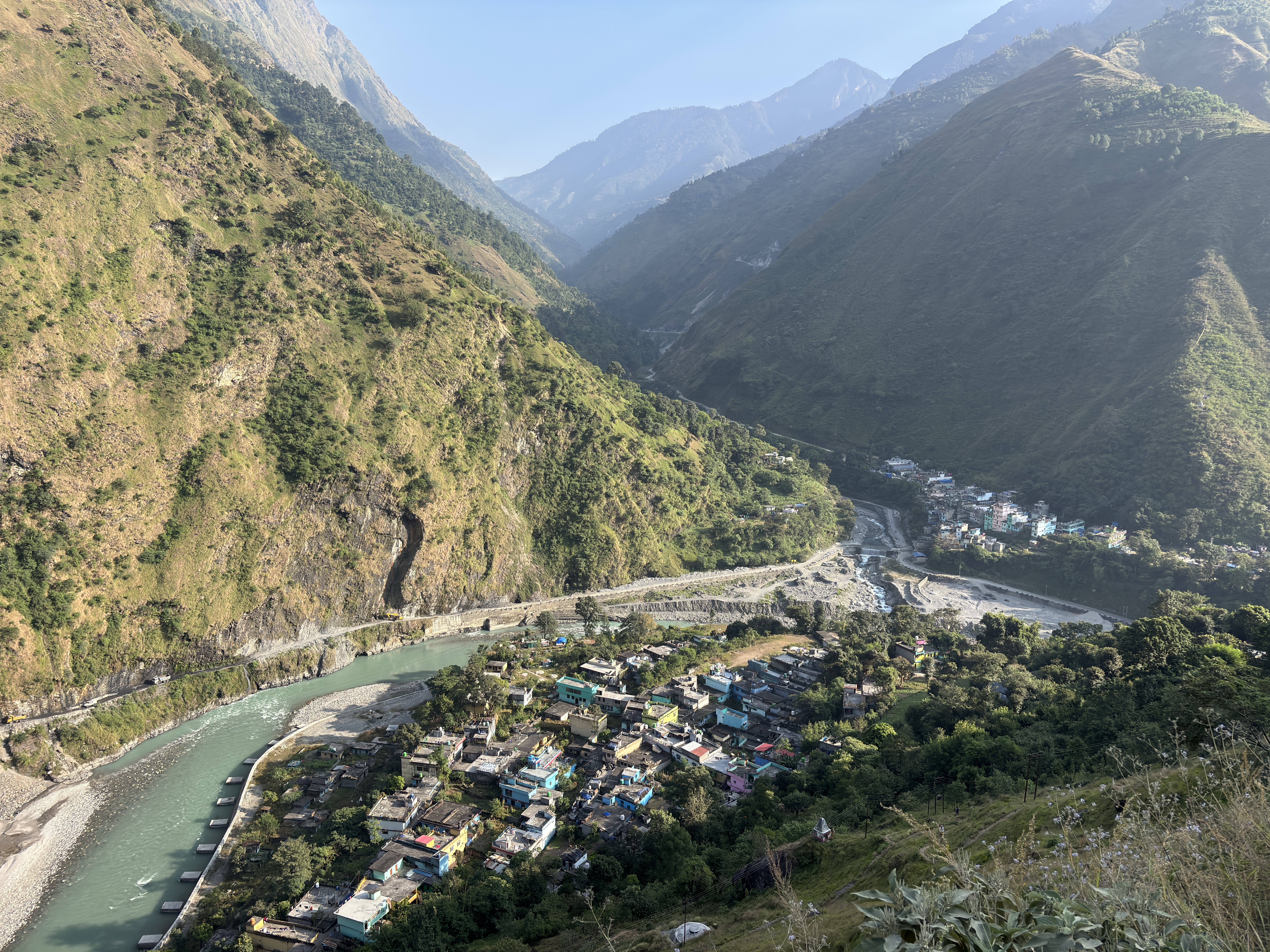
The town of Dharchula (India) and Darchula (Nepal) divided by River Kali.📍Pithoragarh, India. Image credit: Author
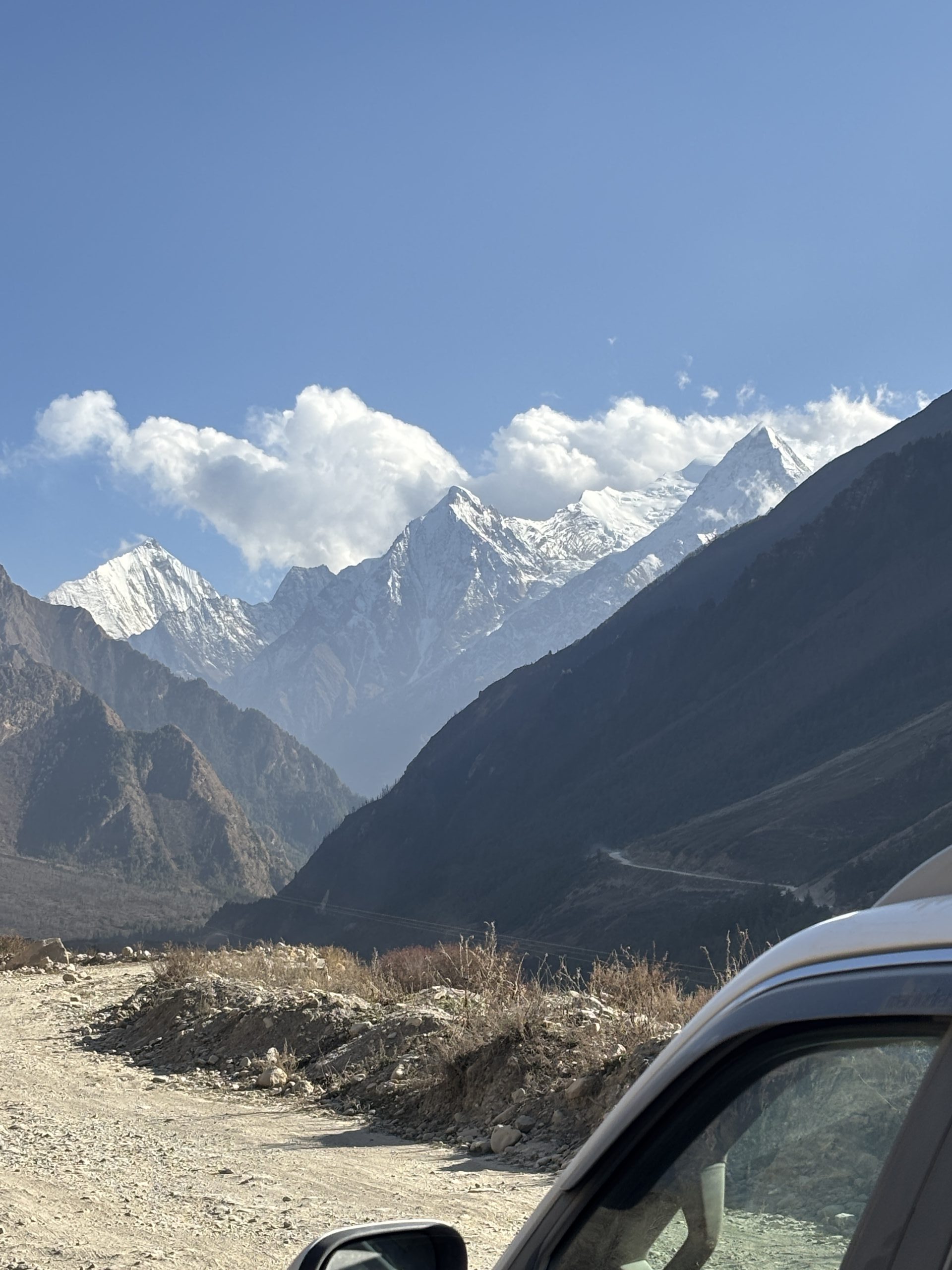
View from village Gunji, Vyas Valley.📍Pithoragarh, India. Image credit: Author
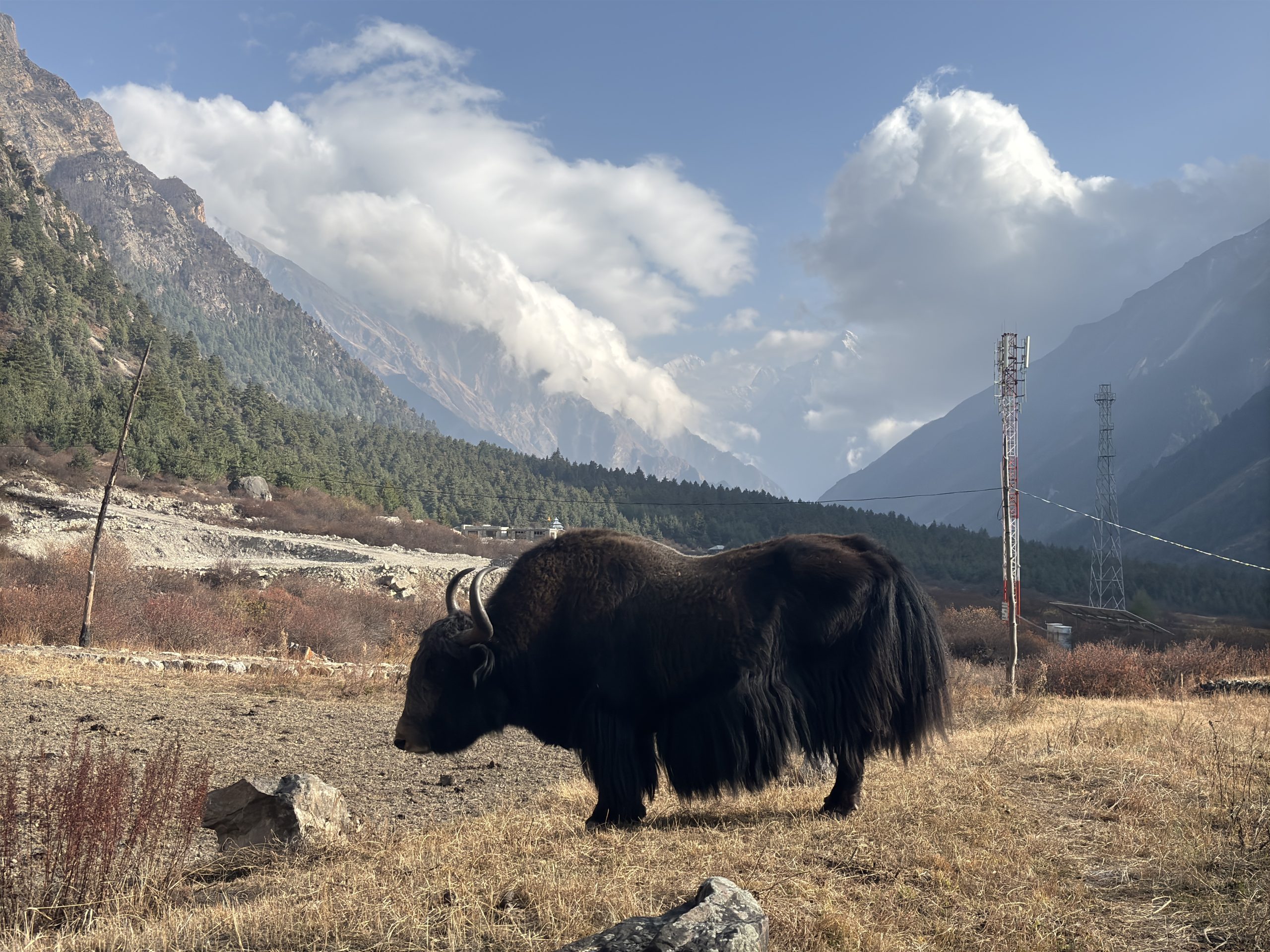
A Yak in the village Nabi, Vyas Valley.📍Pithoragarh, India. Image credit: Author
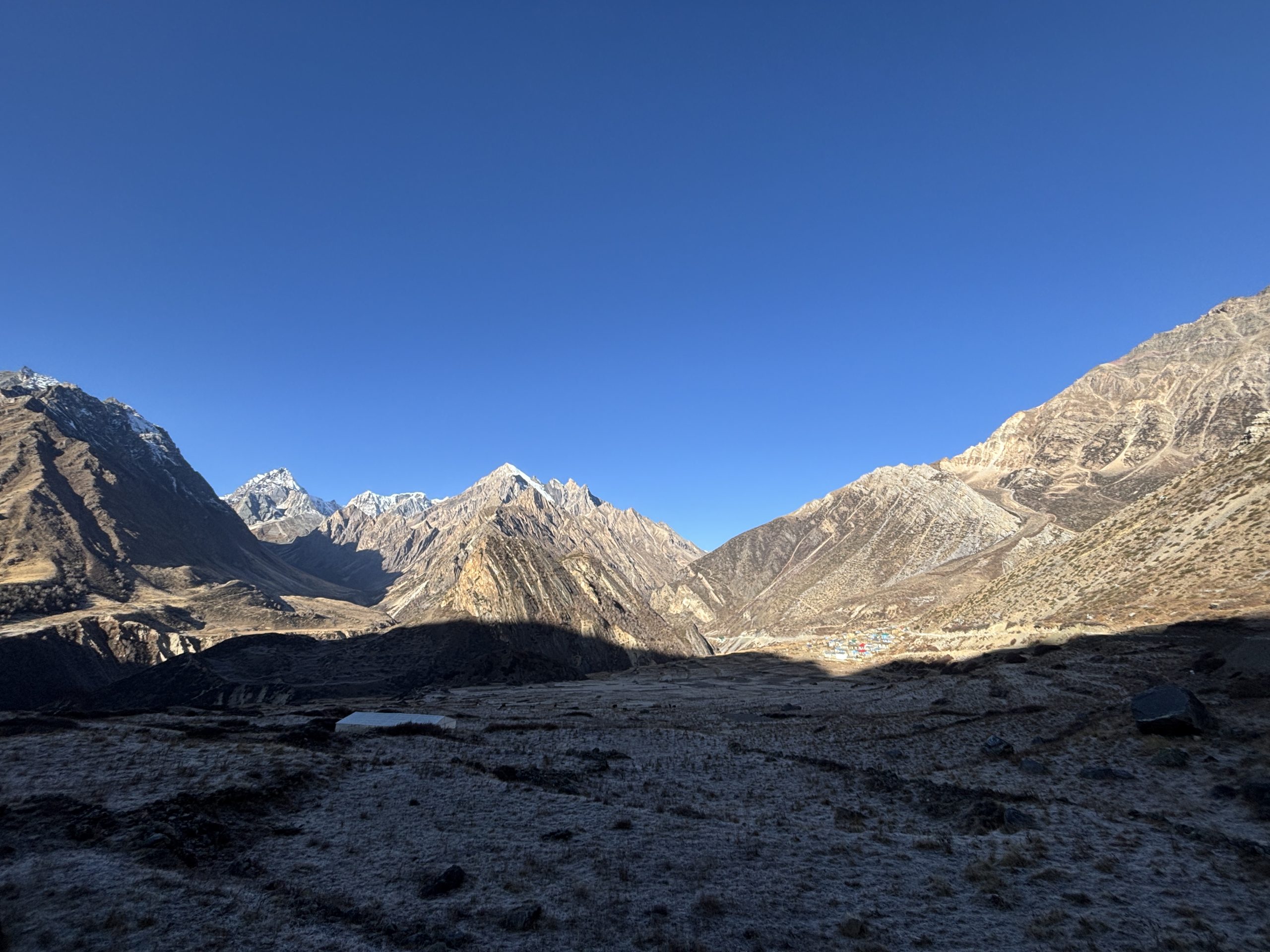
The last village Kuti in the Vyas Valley.📍Pithoragarh, India. Image credit: Author
Part Two: Mount Adi Kailash
Napalchu → Kuti → Jolingkong → Adi Kailash
The next morning, we set out for Mount Adi Kailash.
The drive was only a little over an hour, but the landscape changed every few kilometres. We passed through wide fields, followed the river upstream, drove through stretches of birchwood forest, and then watched the landscape gradually shed its greenery with every gain in altitude.
Adi Kailash is one of the most sacred mountains in Hindu tradition and is revered as another manifestation of Mount Kailash, the legendary abode of Lord Shiva. For centuries, those in search of truth have come here to connect with the eternal.
The last village in Vyas Valley is Kuti. Beyond it lies Jolingkong — the final military post before Mount Adi Kailash reveals itself.
Two serene lakes sit beneath the mountain:
Parvati Sarovar and Gauri Kund.
We were allowed to drive all the way to Parvati Sarovar as it was off-season. Otherwise, from Jolingkong, you can either trek or take a pony.
Standing beside the Parvatati Sarovar, with Adi Kailash towering above it, was one of those rare moments when photographs felt inadequate. I sat there in silence for several minutes, in deep gratitude and quiet reflection.
Later, we returned to Jolingkong and hiked to Gauri Kund, a smaller lake on the other side of the mountain. The walk took about 45 minutes. Accessible only on foot, the place possesses a different kind of beauty — remarkably silent, serene, and mystical.
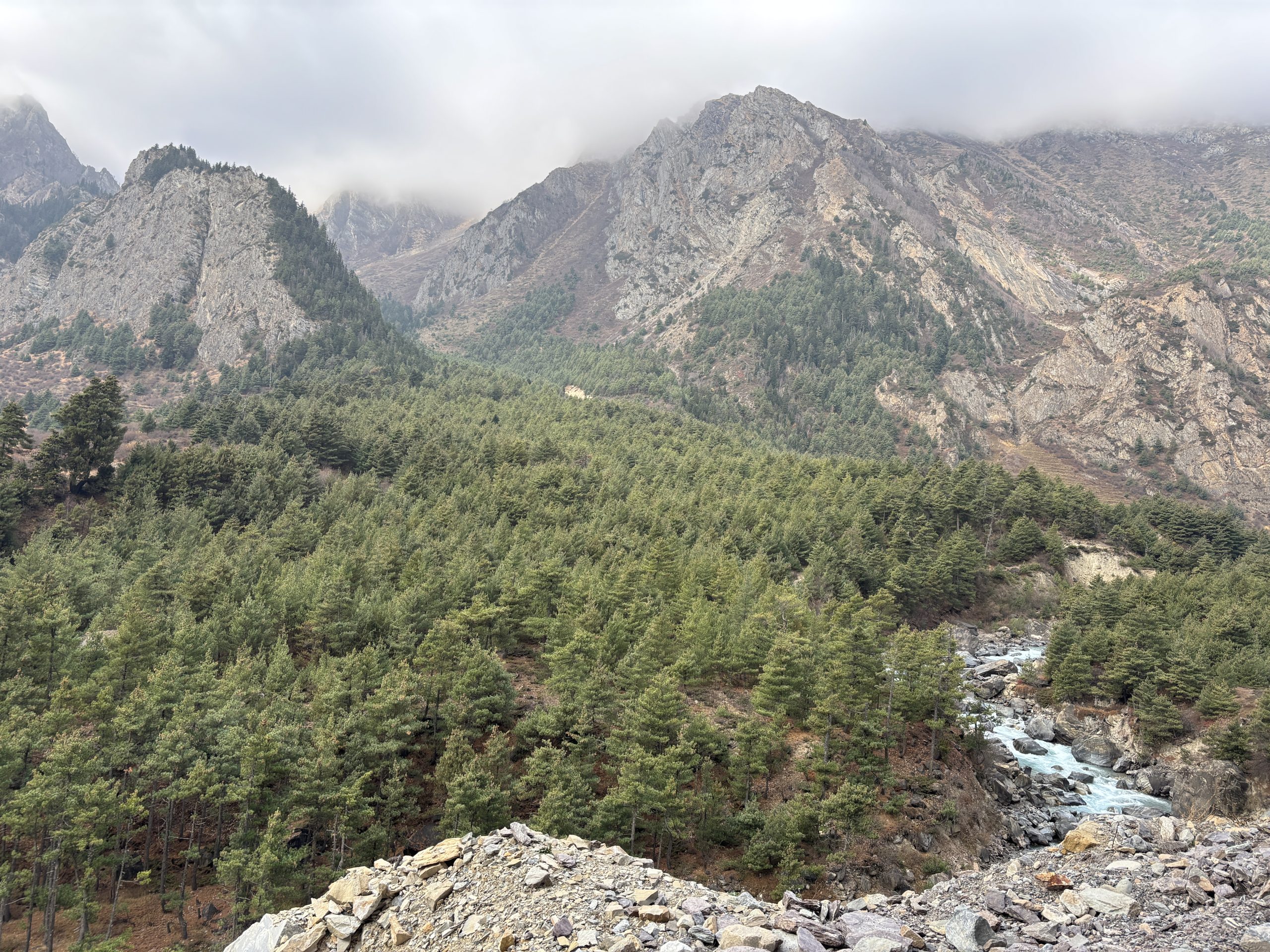
Enroute Adi Kailash.📍Pithoragarh, India. Image credit: Author
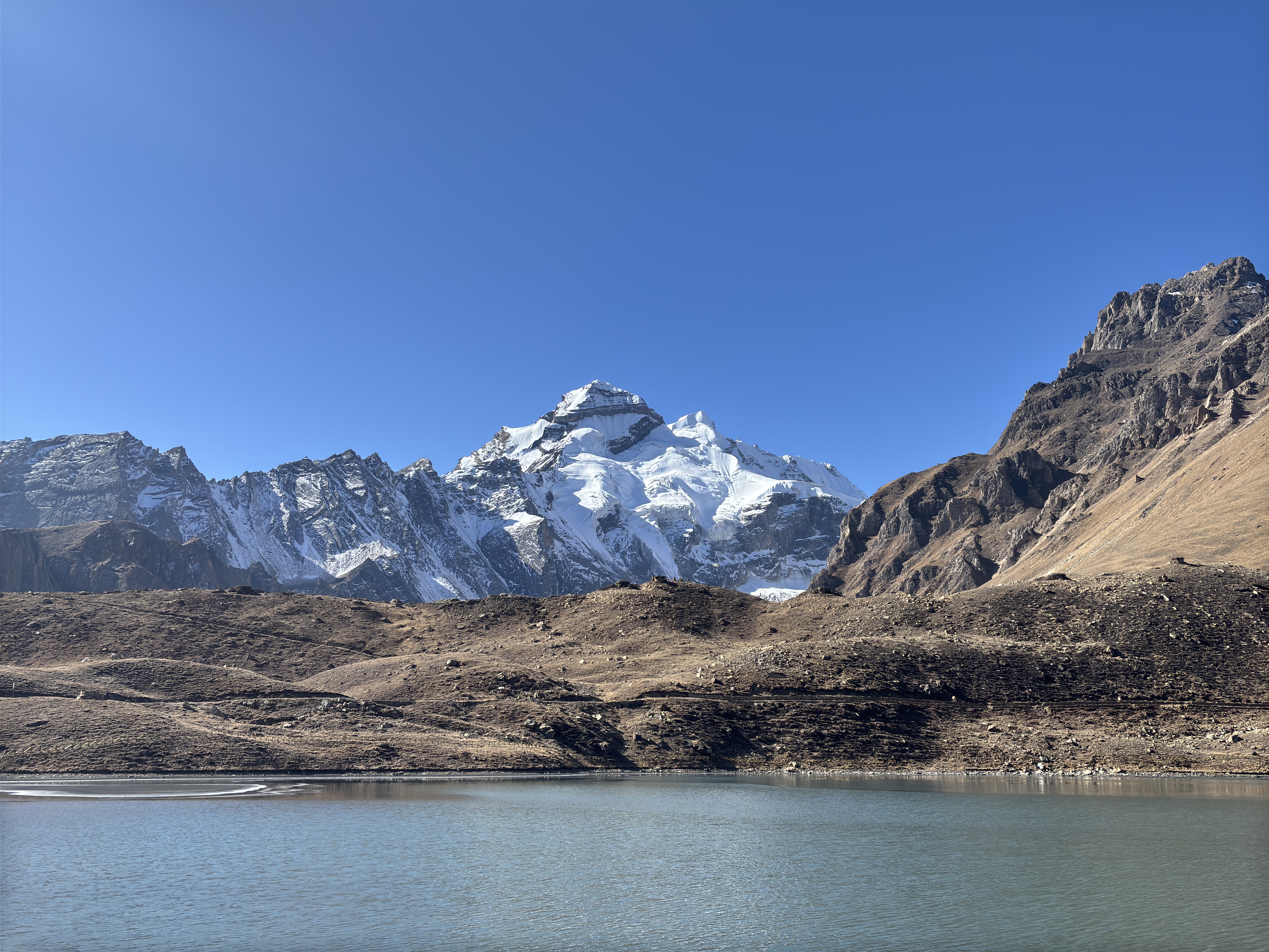
The Holy Mount Adi Kailash and Parvati Sarovar.📍Pithoragarh, India. Image credit: Author
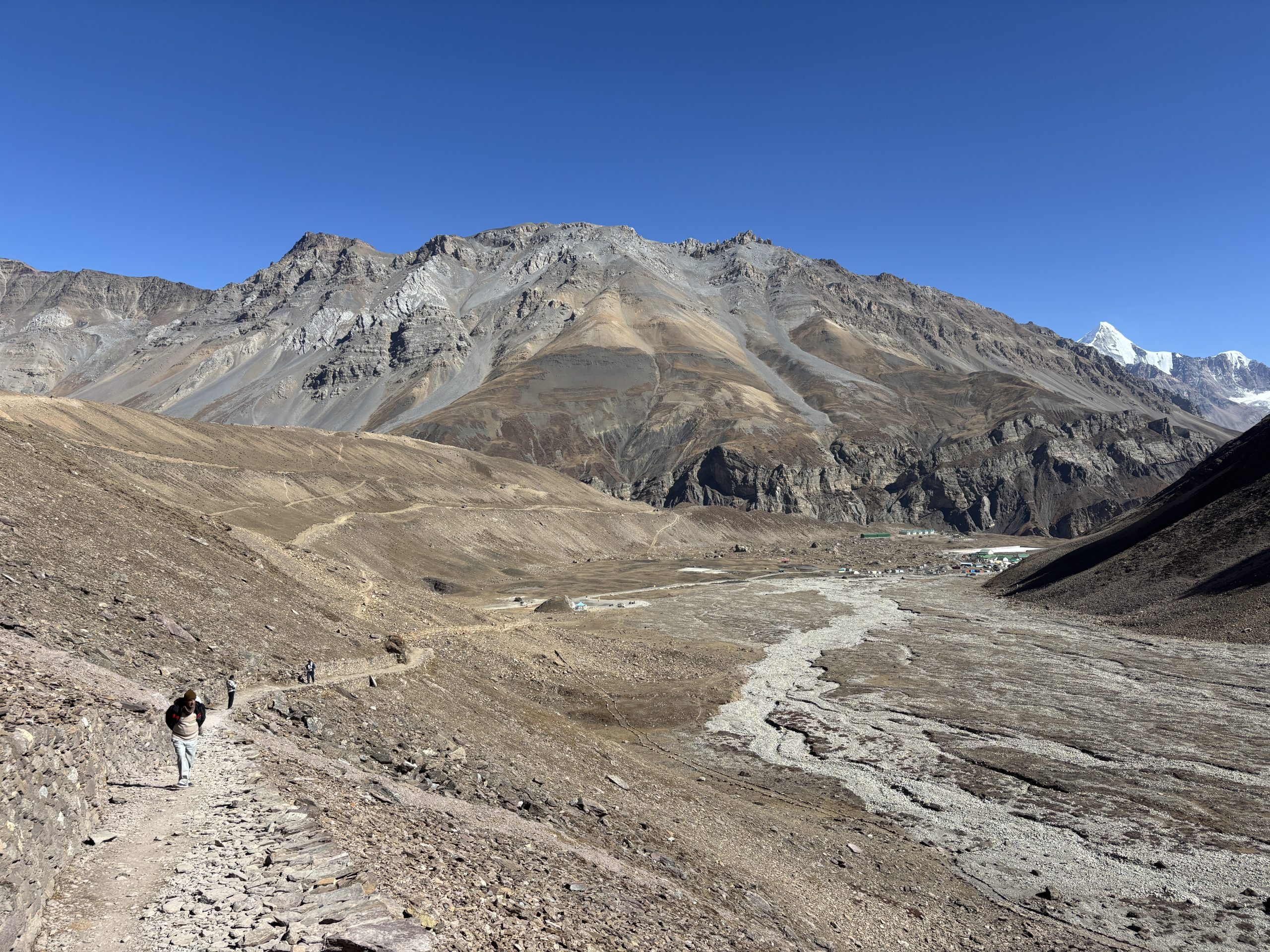
Jolingkong Base (~15K feet) — the last Army outpost on the Indian side. 📍Pithoragarh, India. Image credit: Author
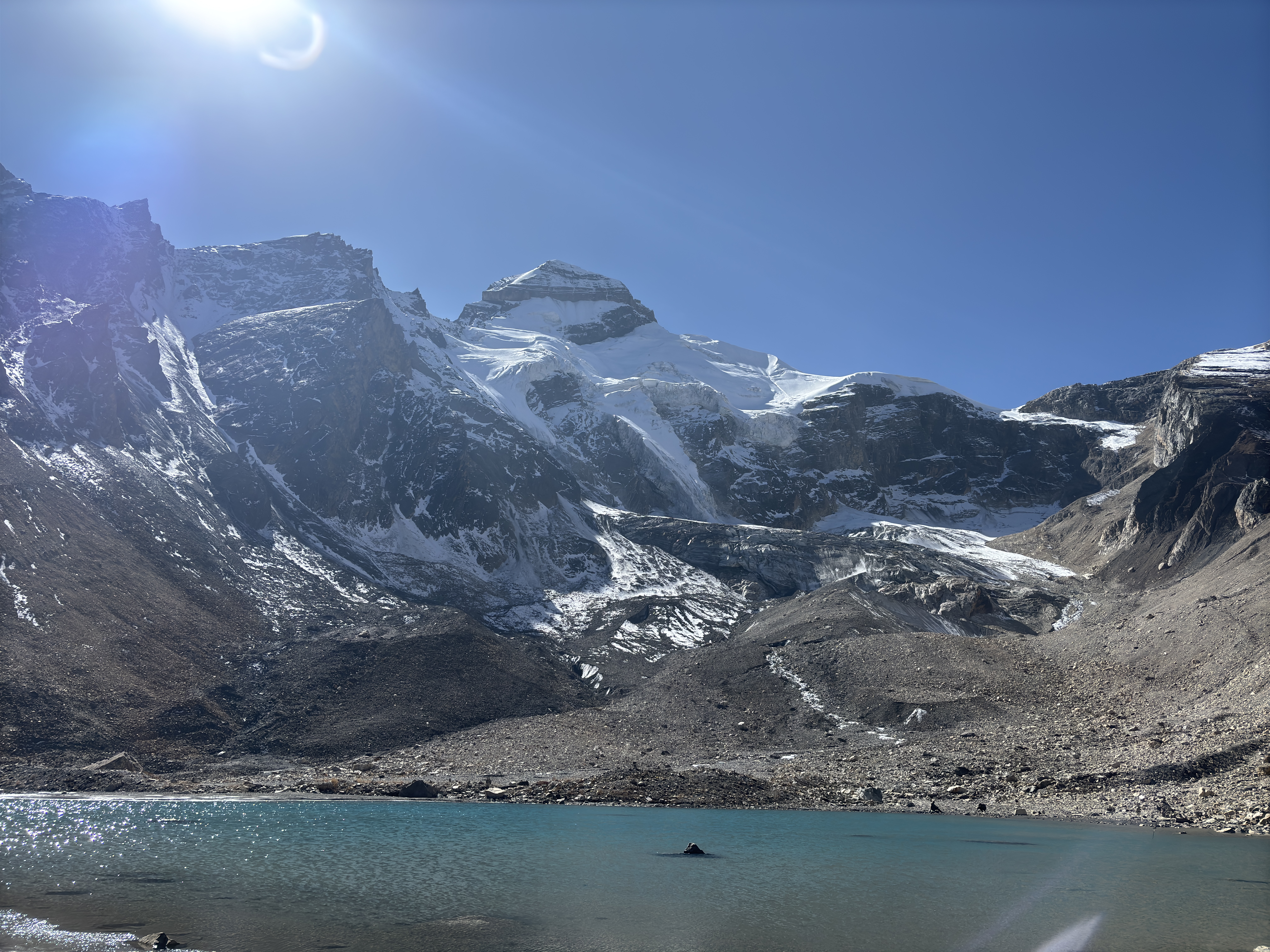
Gauri Kund and Mount Adi Kailash.📍Pithoragarh, India. Image credit: Author
Part Three: To the Edge of Tibet
Napalchu → Om Parvat → Lipulekh Pass (India-China Border)
That evening, we returned to Napalchu after a day that felt both adventurous and deeply contemplative.
But the journey’s most anticipated destination still lay ahead.
The next morning, we set out for Lipulekh Pass — the historic gateway between India and Tibet. Whether we would reach it, however, depended entirely on weather conditions and military clearance.
The road first led us to Nabhidhang, the last major military outpost on the Indian side. At nearly 14,000 feet, Om Parvat dominates the landscape, its snow-covered face naturally forming what appears to be the sacred Hindu symbol “Om.”
Beyond Nabhidhang begins the final stretch to the frontier.
For centuries, traders crossed these mountains on their way to the markets of western Tibet, carrying grain, tea, cloth, and household goods from India, and returning with salt, wool, and other Tibetan goods.
What surprised me most was the landscape.
The familiar Himalayan scenery gradually disappeared, replaced by a vast, windswept, cold desert.
Silent.
Empty.
Ancient.
Lipulekh Pass itself lies only about 45 minutes from Nabhidhang, but before proceeding, military officers asked us to wait for around 30 minutes to acclimatise. We were about to climb from 14,000 feet to nearly 18,000 feet, and the altitude demands respect.
Then came the final ascent.
From a high ridge overlooking the Lipulekh valley, we could see the traditional Indian terminus of the Kailash Mansarovar Yatra. This is where pilgrims historically completed the Indian leg of the journey before being received by Chinese authorities and continuing into Tibet. I was told the onward route from there up to Mount Kailash is roughly 90 kilometres by road.
The distance to the summit point was only about 500 metres.
At about 18,000 feet, however, distance becomes irrelevant.
Every step feels earned.
The air is thin. Your pace slows. You stop thinking about the destination and focus only on the next breath, then the next step.
Finally, we reached the top.
Standing at the edge of India, we looked across the barren expanse of the Tibetan Plateau and saw it:
Mount Kailash.
Majestic, mystical, and magnificent.
For years, this view had existed only in photographs, stories, and imagination. Watching it with our naked eyes left us speechless.
The climb no longer mattered. Only gratitude remained.
As I stood there, I thought of the books and stories that had first sparked my fascination with Tibet, especially Seven Years in Tibet by Heinrich Harrer. Reading about these landscapes from the comfort of home is one thing. Standing among them is another.
The books, the stories, the old trade routes, the conversations with childhood friends, and the tales of Taklakot Mandi all seemed to converge in that moment.
With hearts full of gratitude and wonder, we began our descent, wrapped in a sense of fulfilment that is difficult to put into words.
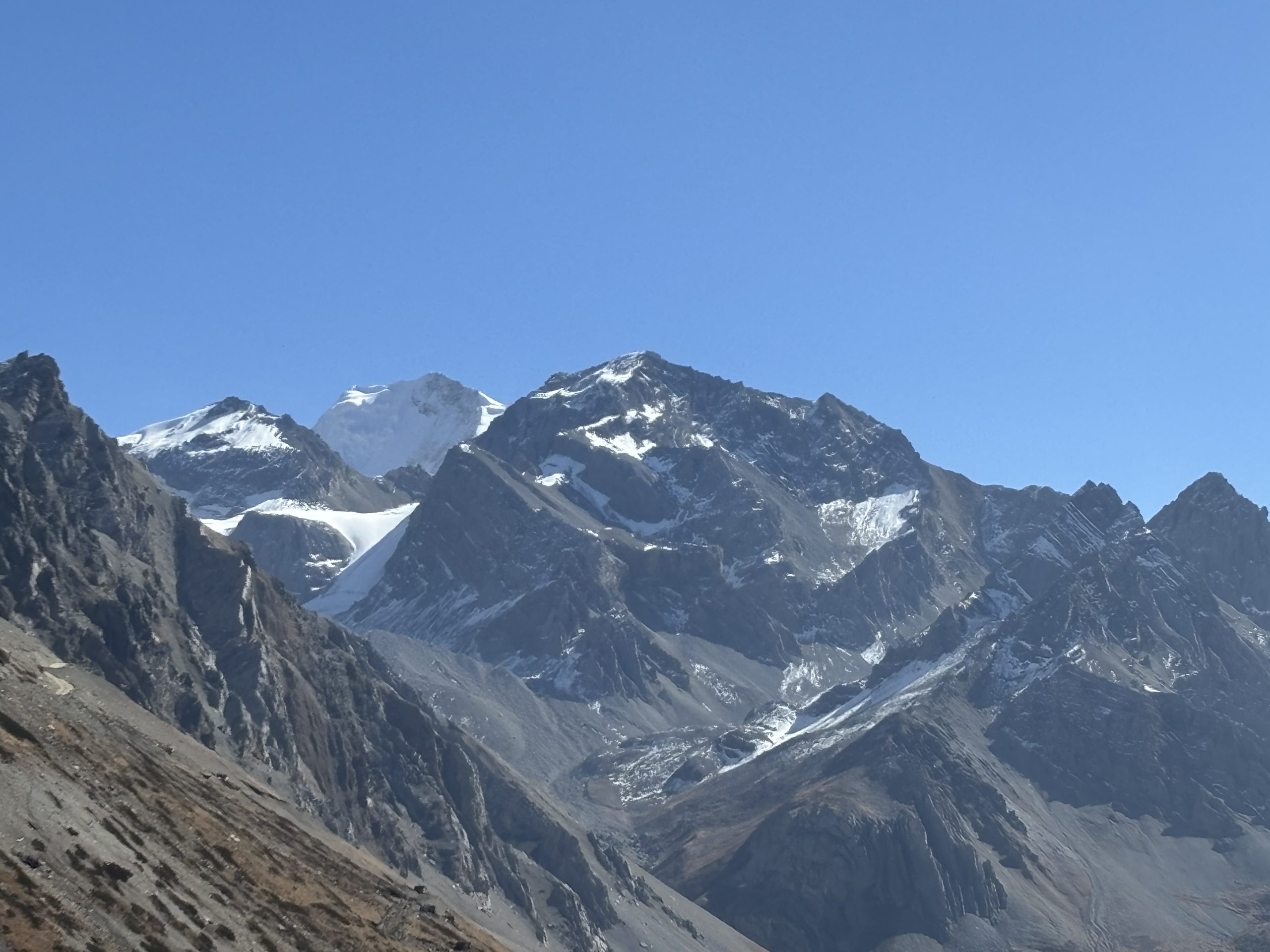
Om Parvat as seen from Nabhidhang (~14K feet).📍Pithoragarh, India. Image credit: Author
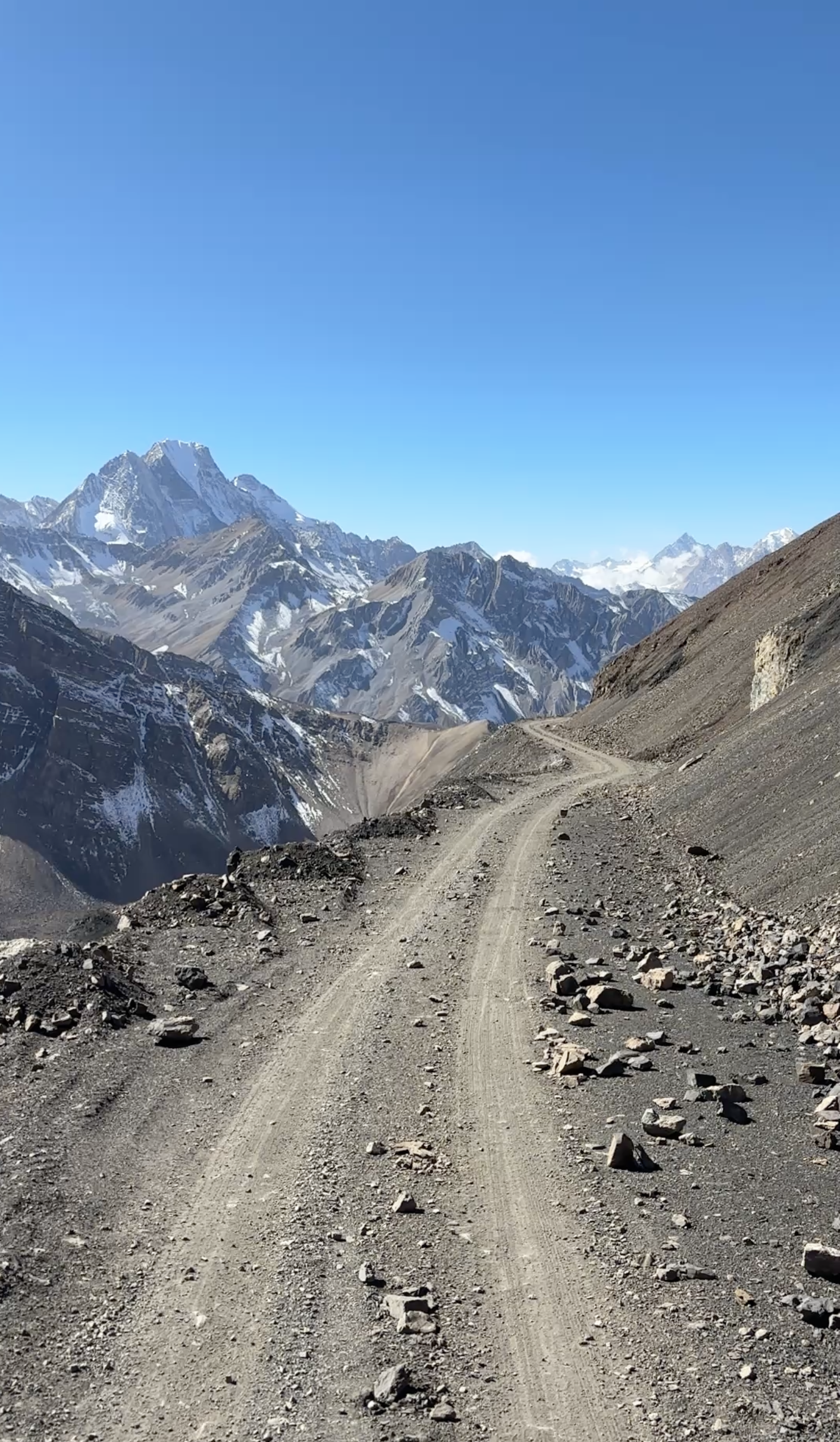
Approaching Lipulekh Pass.📍Pithoragarh, India. Image credit: Author
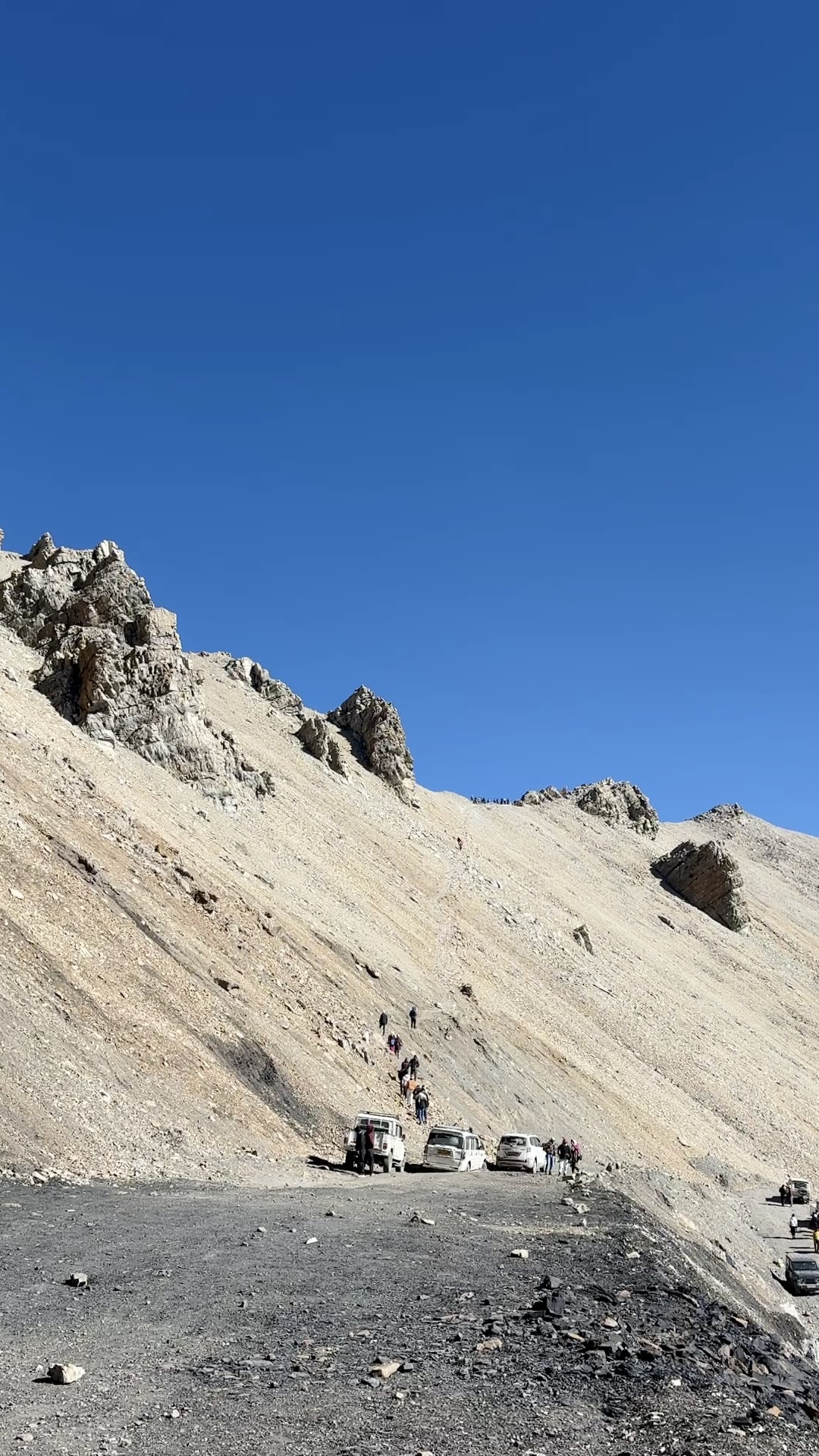
The last ~500 meters to the top of Lipulekh Pass (~18K ft) — the final climb before Mount Kailash emerges on the horizon.📍Pithoragarh, India. Image credit: Author
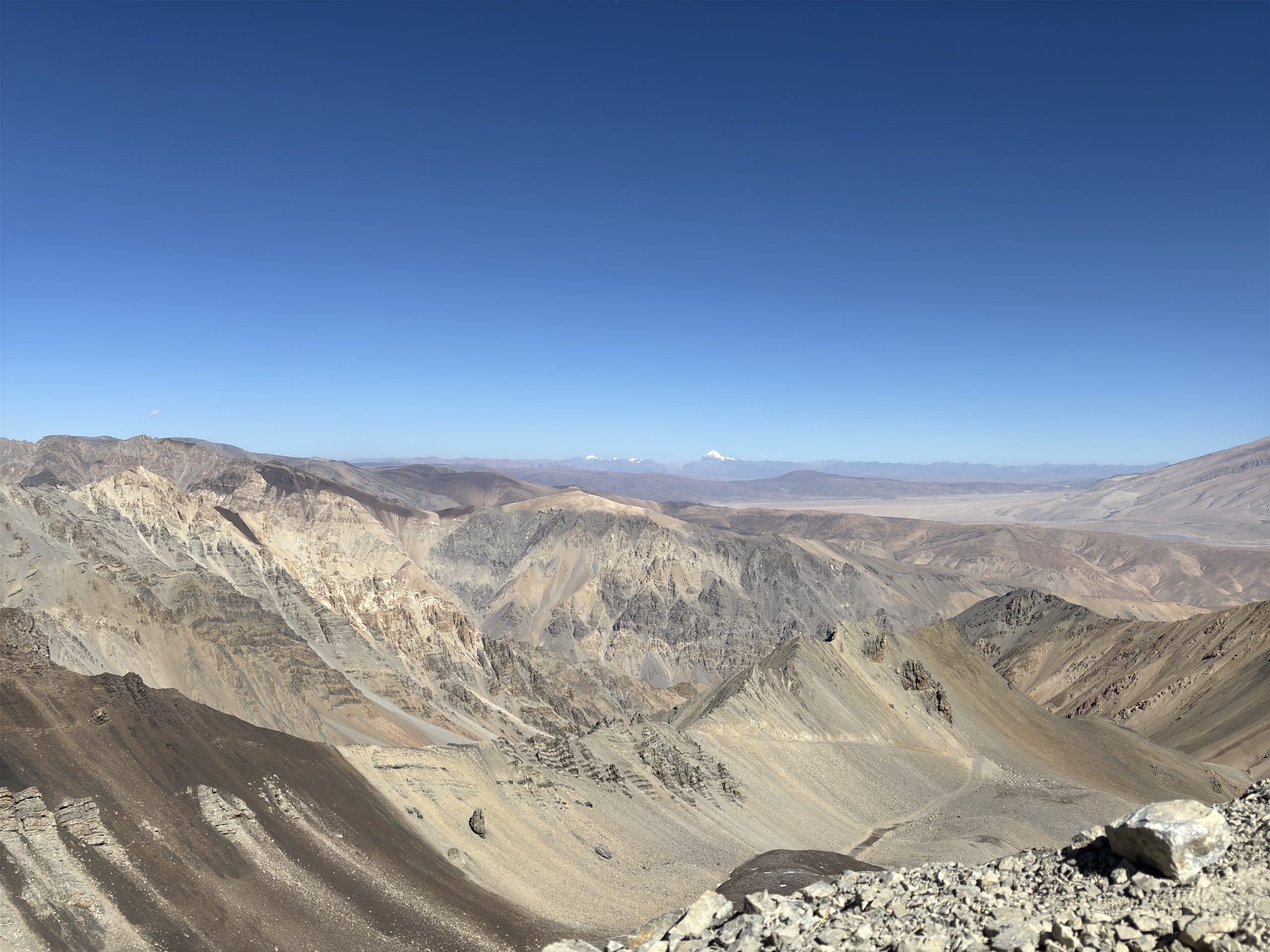
The holy of the holies — Mount Kailash on the horizon and Tibetan valley.📍Pithoragarh, India. Image credit: Author
ABOUT THE AUTHOR
Manmohan is a Writer and Creator. He writes about discovering potential and purpose–through understanding ourselves– and the transformation journey that unfolds afterwards.
His newsletter, The Infinite Pivot, shares ideas on how to break the status quo and pivot from being the current to a greater version of ourselves (The Infinite You) that makes an impact.
Learn more
Keep reading
-
$2,600 — My First Big Payment from Writing
A PayPal notification that felt like freedom -
5 Quiet Lessons These Mountains Echoed
A walk in silence, and nature whispered its guidance -
A Memoir of Indian Childhood in the 90s
Nostalgia and lessons for today -
Design Your Life in 5-Year Blocks
Slow down, zoom out, and build the life you imagine -
Gratitude Through Action, Not Just Words
Five simple practices that make gratitude real -
How I Reached the Edge of Tibet
And watched Mount Kailash emerge on the horizon -
I Tried Drawing Consciousness — Here’s How It Looks
A visual attempt to decode our deepest mystery -
Maslow’s Theory of Human Motivation in 10 Points
Didn’t read the original publication? This summary’s all you need -
Pindari Glacier Expedition: When the Himalayas Taught Me About Purpose
Roar of the river. Silence of snow. And I found myself -
SAMPLE POST – DO NOT CHANGE
Subscribe to my newsletter
The Infinite Pivot®
to keep receiving more thoughts like this, free.